
Navigating Current Economic and Political Issues: Background, Causes, and Impacts

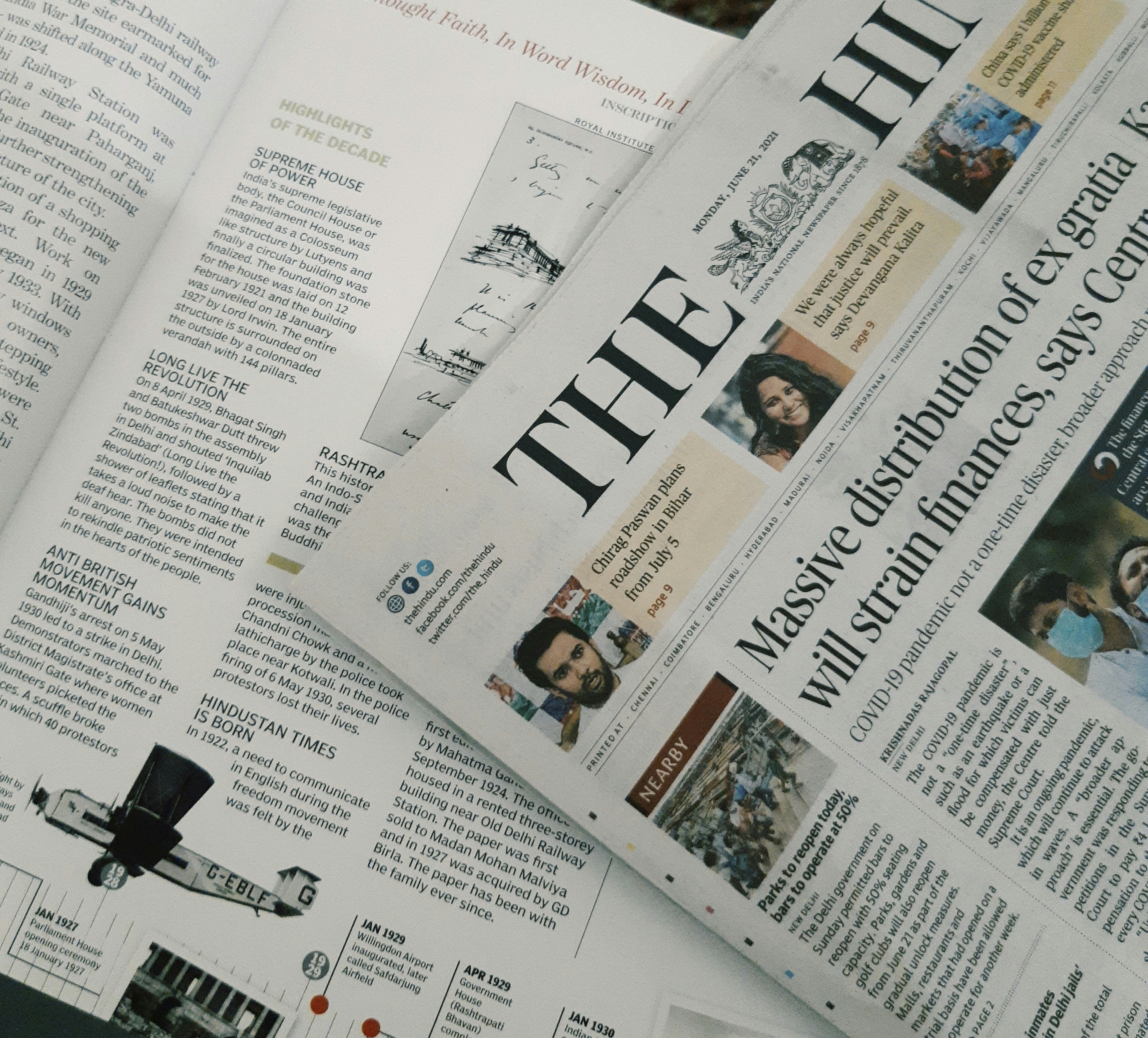
Background of Current Economic and Political Landscape
The current economic and political landscape is profoundly influenced by a series of historical events that have shaped societal and global structures. After the financial crisis of 2008, many nations witnessed significant changes in economic policies aimed at recovery. The adoption of quantitative easing and other fiscal measures by central banks marked a departure from traditional economic strategies, temporarily stabilizing markets but also cultivating long-term dependencies on low-interest rates and increased national debt.
In the subsequent years, rising populism and nationalism disrupted established political regimes across various countries. This shift has often been attributed to the disillusionment of populations facing stagnating wages, increasing inequality, and a growing perception that global economic integration has benefited a select few at the expense of the majority. Electoral outcomes in nations such as the United States and the United Kingdom serve as critical examples of this trend, exemplifying how local concerns can pivot quickly into global dialogues.
Simultaneously, international relations have experienced notable upheavals. The increasing tensions between major powers, notably the United States and China, reflect a broader shift towards economic competition and protectionism. Trade wars, tariffs, and sanctions have become common tools for influencing global trade dynamics, altering supply chains and impacting economies worldwide.
The impacts of these events are multifaceted, leading to ongoing debates regarding economic sustainability, social justice, and the balance of power in international relations. Each of these elements contributes to the complexity of the current landscape and underscores the importance of understanding the historical context when analyzing contemporary issues.
Causes of Economic and Political Challenges
Current economic and political challenges are deeply rooted in a variety of factors that affect both developed and developing nations. Economic conditions such as rising inflation rates have become prevalent, leading to decreased purchasing power for consumers and increased costs for businesses. Factors contributing to inflation include supply chain disruptions, energy price fluctuations, and government fiscal policies that inject liquidity into the economy without corresponding growth.
Unemployment rates have also surged in many regions, exacerbated by the aftermath of the COVID-19 pandemic. A reduction in consumer spending due to job losses has created a negative feedback loop, where businesses, struggling to maintain profitability, are forced to make further layoffs. Trade wars, characterized by tariffs and other barriers, have disrupted international trade relationships and complicated economic recovery efforts, resulting in heightened tensions between nations.
On the political front, increasing polarization has transformed the landscape of governance. Political parties are often at odds, leading to legislative gridlock, where essential reforms and policies struggle to be passed. Governance issues—including corruption, lack of transparency, and inefficiency—play a significant role in the public’s dissatisfaction with government institutions. These issues are often compounded by global conflicts that divert attention and resources away from pressing domestic concerns.
The interplay between these economic and political factors creates a complex framework in which societies must navigate. A decline in economic stability can lead to an erosion of trust in governmental institutions, which in turn can create further economic instability. The challenges facing both economies and political systems are thus interconnected, requiring a holistic approach to understand their origins and potential solutions.
Impact on Society and Businesses
Current economic and political issues significantly influence both society and the business environment, creating a complex interplay that shapes consumer behavior, community dynamics, and corporate strategies. These impacts can manifest in various ways, affecting everything from individual purchasing decisions to large-scale business operations.
In recent years, for instance, inflationary pressures combined with shifting political landscapes have altered consumer confidence, leading to changes in spending habits. Individuals may prioritize essential goods over luxury items during times of economic uncertainty, which consequently affects businesses that rely on discretionary spending. An example can be seen in the retail sector, where sales of non-essential products have declined as consumers opt for more practical purchases amid rising living costs.
For businesses, adaptability becomes a critical survival skill in the face of fluctuating political climates and economic conditions. Companies are increasingly adopting agile frameworks to respond quickly to market changes. This adaptability ensures that businesses remain competitive, but it may require significant restructuring and investment in new technologies. Case studies, such as those from tech firms pivoting operations to accommodate remote work, highlight how a responsive strategy can mitigate risks associated with economic downturns and political unrest.
Furthermore, there are profound implications for social equity as economic challenges can exacerbate existing inequalities. Vulnerable communities often bear the brunt of these issues, leading to calls for increased corporate social responsibility. Companies that prioritize social equity and inclusiveness can enhance their brand image while contributing to community resilience. This approach not only helps to build trust among consumers but also fosters a more stable market environment in which all players can thrive.
In summary, the impact of current economic and political issues is multifaceted, influencing individual behaviors, corporate strategies, and broader societal dynamics. Understanding these implications allows stakeholders to navigate the challenges effectively and promotes a more equitable and sustainable future for all entities involved.
Future Developments and Considerations
As we look toward the future, it is crucial to analyze potential economic and political developments that may arise from current trends and expert predictions. Various scenarios could play out, influenced by factors such as technological advancements, shifts in global power dynamics, climate change, and evolving societal values.
In the economic realm, the continued rise of digital technologies and automation may significantly reshape labor markets and productivity rates. Experts suggest that businesses will increasingly adopt innovative solutions, such as artificial intelligence (AI) and machine learning, to improve decision-making processes and operational efficiency. However, this technological shift may also warrant discussions about job displacement and the need for reskilling programs to prepare the workforce for emerging roles.
On the political front, the landscape may be influenced by rising populism and increased polarization. As citizens seek representation that aligns more closely with their values, traditional political structures may be challenged. This dynamic could lead to the emergence of new political movements and reforms aimed at enhancing governmental accountability and inclusivity. Additionally, global collaborations on issues such as climate action and economic stability will likely be pivotal. Multi-national initiatives aimed at addressing systemic inequalities and fostering sustainable practices may take center stage in this evolving landscape.
As these potential outcomes unfold, it is imperative for both societies and businesses to remain agile and adaptable. Continuous dialogue amongst policymakers, industry leaders, and communities will be essential to navigate the complexities of economic and political challenges. The interplay of innovation, reform, and collaboration will ultimately shape the trajectory of our future, presenting opportunities for growth while addressing pressing issues at hand.
