Introduction: The Interplay between Economics and Politics
The intricate relationship between economic and political issues is a pivotal aspect of societal dynamics, significantly influencing governance, policy-making, and public welfare. Understanding this interplay is crucial for individuals, policymakers, and analysts alike, as economic conditions often dictate political landscapes, and conversely, the political environment can shape economic outcomes.
Economic factors such as inflation rates, unemployment levels, and GDP growth not only reflect the health of a nation but also serve as a barometer for political stability. Leaders often respond to economic stresses by implementing policies aimed at alleviating public concerns. For instance, during periods of recession, governments may prioritize fiscal stimuli to boost economic activity, which, in turn, can affect their popularity and influence on election results. Similarly, shifts in economic conditions can lead to a restructuring of political power, either reinforcing existing parties or propelling new ideologies into the forefront.
On the other hand, political decisions can have profound effects on economic structures. Legislative measures related to taxation, trade, and regulation can create environments conducive to growth or downturns. The interplay becomes even more nuanced in the context of global events; international politics, such as trade agreements and sanctions, directly impact national economies, thereby reinforcing the co-dependence of these two spheres. Understanding this relationship enhances our ability to anticipate policy shifts and their broader ramifications.
As we delve deeper into this comprehensive overview, it is imperative to recognize that grasping the dynamics between economic realities and political frameworks will provide clarity on contemporary issues faced by nations worldwide. This sets the foundation for critical analysis and informed discussion in the subsequent sections of this blog post.
Historical Context: Recent Trends and Milestones
The past few decades have been marked by significant economic and political developments that have molded the current landscape. Understanding these trends is essential for comprehending the complexities of today’s issues. Economic recessions, notably the global financial crisis of 2008, served as a crucial turning point. This recession led to widespread unemployment, substantial governmental interventions, and a re-evaluation of financial regulations. The ramifications of this economic downturn extended far beyond immediate fiscal policies, influencing political sentiment across many nations and fostering a climate of instability and distrust towards traditional political institutions.
Moreover, the emergence of globalization has reshaped economic structures significantly. Trade agreements, such as NAFTA and the more recent USMCA, have altered how countries engage in commerce, while the rise of emerging markets has shifted economic power dynamics. This transition has generated tension, particularly in advanced economies, as workers face job displacement and competition from abroad. Such economic shifts have often ignited populist movements, leading to political upheavals and a rejection of established political norms in various regions.
The political landscape, too, has experienced seismic shifts. The 2016 United States presidential election exemplified this phenomenon, as it highlighted deep societal divisions and a growing discontent with mainstream politics. Similarly, the United Kingdom’s decision to leave the European Union, known as Brexit, underscored a desire for national sovereignty that resonated with many disenfranchised voters. These milestones represent not just isolated events but part of a broader narrative of globalization and its discontents, underpinning the political frameworks and economic policies prevalent today.
Current Economic Issues: Analyzing Key Factors
The current economic climate worldwide is marked by significant challenges, particularly concerning inflation rates, unemployment figures, and overall economic growth. In many regions, inflation has rapidly escalated, impacting the purchasing power of consumers. The contributing factors to rising inflation include supply chain disruptions exacerbated by global events, increased demand for goods, and rising energy prices. These elements have collectively created a complex environment where prices for essential goods are consistently increasing, leading to greater concerns for both policymakers and consumers alike.
Unemployment figures also play a critical role in understanding the economic landscape. Many countries are experiencing fluctuating rates, driven by various factors such as technological advancements, shifts in consumer behavior, and changes in labor market demands. The transition to remote work and the preferences of a younger workforce have reshaped job expectations, creating both opportunities and challenges in employment. This dynamic situation calls for targeted economic policies focused on skills training and job creation to address the mismatch between available jobs and workforce competencies.
Additionally, economic growth has come under scrutiny as many nations report stagnation or slow progress. Factors influencing this trend include the aftermath of the COVID-19 pandemic, which has left some economies grappling with recovery efforts while facing new variants. Moreover, geopolitical tensions have further complicated the economic outlook, as countries navigate trade balances and international relations that dictate market stability. The interconnected nature of global supply chains adds another layer, with disruptions often resulting in shortages of critical components necessary for manufacturing and service industries.
Political Responses: Policies and Debates
In light of the current economic challenges, political responses have emerged as a crucial aspect of addressing these issues. Different political parties propose varying policy measures, reflecting their ideologies and the interests of their constituencies. The ongoing debates surrounding these policies highlight the complexity of economic governance and the differing approaches that can be taken to stimulate growth, manage inflation, or provide social support.
One prominent area of political discussion centers around fiscal policy. Some parties advocate for government spending increases to spur economic growth, arguing that infrastructure projects and social programs can create jobs and stimulate demand. Conversely, others emphasize the importance of fiscal restraint, recommending tax cuts or budget reductions to limit government intervention and promote efficiency. This contention between expansionary and contractionary fiscal policies often sets the stage for deeper ideological debates about the role of the state in the economy.
Additionally, the political responses to economic challenges can vary significantly regarding sectors of the economy. For instance, the response to rising energy prices has seen diverging strategies. Some political factions push for investment in renewable energy technologies, viewing this as a pathway toward sustainability and energy independence. Others prioritize the expansion of traditional energy sources, arguing for the preservation of jobs in the fossil fuels industry. Such disagreements reflect differing priorities, with some focusing on environmental sustainability while others emphasize immediate economic stability.
The implications of these political policies are far-reaching and impact various segments of society. Stakeholders, including businesses, labor unions, and consumers, often have differing opinions on the best course of action. Engaging in constructive debates enables policymakers to consider multiple perspectives, ultimately informing more balanced and effective economic strategies. Understanding the political landscape surrounding these economic issues allows for a nuanced analysis of their potential effects on the economy.
Market Reactions: Understanding Investor Sentiment
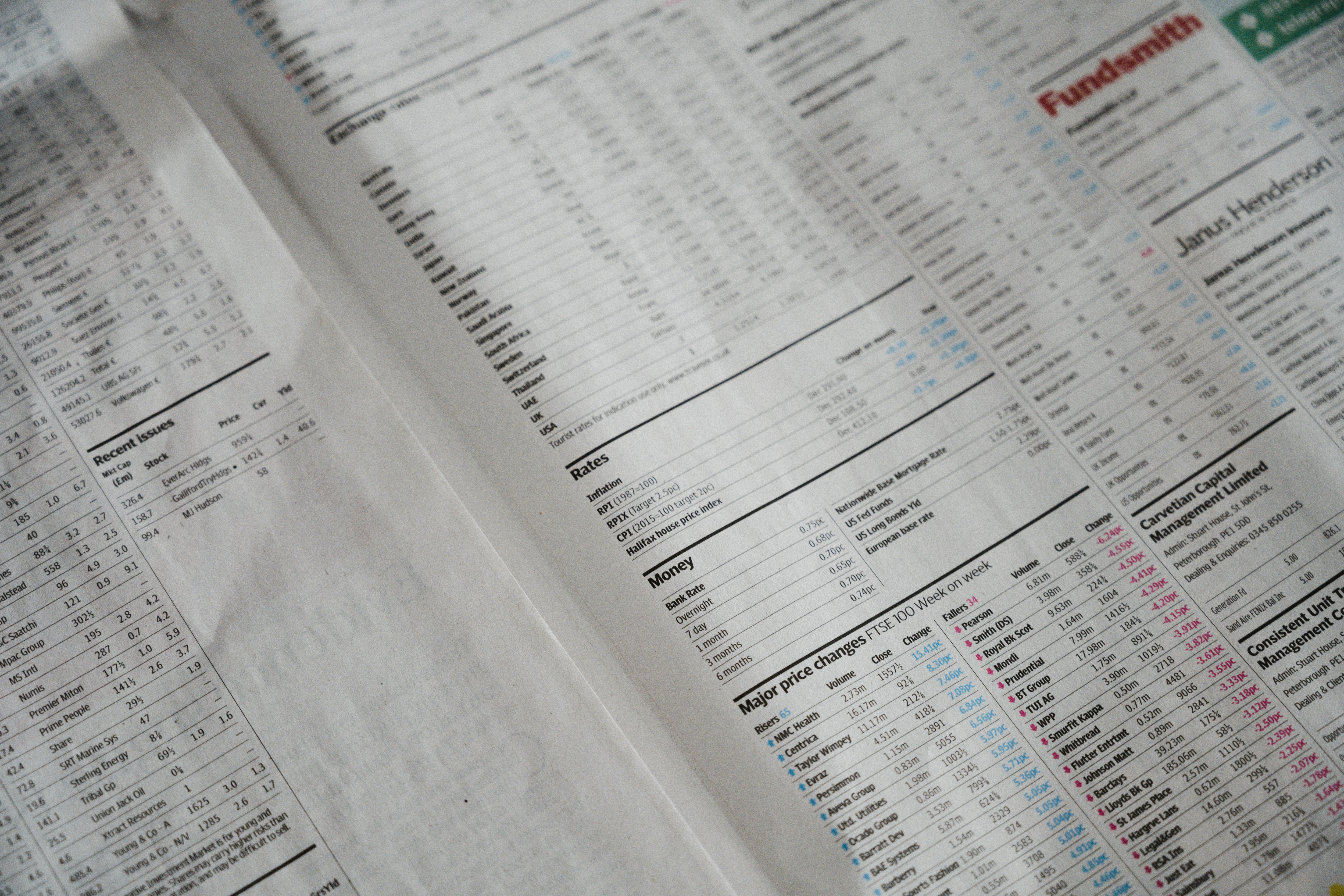
In the contemporary economic landscape, the interrelation between political developments and market reactions is becoming increasingly pronounced. Investor sentiment plays a critical role in shaping the dynamics of stock markets, commodity prices, and currency values. This sentiment is often influenced by a variety of factors, including government policies, economic indicators, and geopolitical events.
The fluctuations in stock markets are particularly noteworthy, as they often provide a barometer of investor confidence. For instance, announcements regarding fiscal policies or trade agreements can lead to immediate shifts in stock prices. When investors perceive political decisions as favorable for economic growth, stock markets tend to rise; conversely, uncertainty or negative developments can trigger declines. This volatile market behavior reflects the fragile nature of investor sentiment, which can pivot quickly based on the latest news and information.
Furthermore, the prices of commodities, such as oil and gold, are similarly affected by political climates. Political instability in oil-producing regions can lead to increased prices due to perceived risks in supply chains. On the other hand, in times of uncertainty, investors often flock to gold and other safe-haven assets, driving their prices higher. Thus, understanding these market reactions provides valuable insights into how political events directly impact economic parameters.
Currency values also experience fluctuations based on investor sentiment shaped by political events. A strong political message can bolster confidence in a country’s currency, encouraging investment and leading to appreciation. However, political scandals or uncertainty can erode this confidence, resulting in depreciation. Therefore, monitoring currency market trends can serve as a reflection of larger economic and political sentiments.
In conclusion, by analyzing how markets respond to current economic and political issues, one can better understand the underlying factors that drive investor sentiment. Fluctuations in stock markets, commodity prices, and currency values are all manifestations of this sentiment, underscoring the profound connection between political dynamics and financial markets. Identifying these patterns can enhance our comprehension of the broader economic landscape.
Global Impact: The Interconnectedness of Economies
In today’s rapidly evolving world, the interconnectedness of global economies cannot be overstated. Nations are no longer isolated from one another; rather, the repercussions of political decisions and economic policies extend far beyond borders, influencing international relations and domestic trade. The modern economy thrives on globalization, where goods, services, and capital freely traverse geographical boundaries, often creating complex dependencies among nations.
The recent economic turmoil in one country can have far-reaching consequences on its trade partners. For instance, when a significant economic player like China faces slower growth, countries reliant on Chinese exports may experience downturns, leading to reduced employment and slower economic growth in their respective regions. Such scenarios illustrate how domestic economic challenges can reverberate through global markets, affecting local economies around the world.
Moreover, political events can similarly shape international commerce. Take, for example, the impact of trade tariffs imposed during political tensions. These measures can disrupt established trade relationships and lead to increased costs for consumers and businesses alike. A case in point is the ongoing trade conflict between the United States and several other nations, which showcases how policies can alter trade flows, prompting countries to seek new markets or sources for goods.
Additionally, global crises such as the COVID-19 pandemic underscored the vulnerability of interconnected economies. Lockdowns and travel restrictions precipitated economic slowdowns, which not only affected domestic markets but also disrupted supply chains worldwide. As various sectors grappled with the fallout, the need for collaborative solutions became paramount, highlighting the importance of unity in addressing global challenges.
This dynamic interplay of economic and political factors emphasizes the necessity for nations to navigate their policies with a global perspective, as actions taken in one corner of the world can markedly influence conditions elsewhere.
Expert Perspectives: Insights from Economists and Political Analysts
In the current global climate, the intersecting domains of economics and politics demand keen analysis from experts in both fields. Recently, a panel of respected economists and political analysts shared their insights, reflecting a range of perspectives on the prevailing challenges. Central to their discussions was the ongoing economic uncertainty wrought by inflationary pressures and geopolitical tensions. Economists underscored that inflation remains a significant concern, potentially stifling growth in numerous economies. They cited the ripple effects of monetary policy adjustments and supply chain disruptions as crucial factors contributing to this climate.
Political analysts echoed these sentiments, suggesting that the political landscape could exacerbate economic vulnerabilities. The changing dynamics of international relations, especially the tensions among major powers, were highlighted as influential in shaping economic policies. Some analysts proposed that governments may need to reassess their approaches, advocating for collaborative international trade agreements to mitigate the adverse effects of nationalism and protectionism.
Additionally, experts voiced concerns about the potential impact of upcoming elections and political instability on economic forecasts. With changing leadership in key nations, expectations for reform and investment may fluctuate, leading to volatility in market conditions. The intersection of political decisions and economic performance has never been more pronounced.
Some economists suggested that careful monitoring of labor market trends is essential as they directly reflect economic health. Recommendations for upward wage adjustments, therefore, become pivotal not just for individual livelihoods but also for overall economic recovery. Furthermore, discussions surrounding green energy transitions and infrastructure spending were prevalent, indicating a shift in focus towards sustainable growth.
Ultimately, consensus emerged that ongoing dialogue among political and economic thought leaders is vital for navigating these complex challenges. Through their insights, it becomes evident that understanding the interplay between politics and economics is essential for predicting future developments and crafting effective solutions.
Future Developments: Predictions and Scenarios
The trajectory of both economic and political landscapes is contingent upon multiple dynamic factors. As nations grapple with contemporary challenges, the potential for diverse outcomes becomes increasingly apparent. Current trends suggest that the global economy may experience a bifurcation, with regions demonstrating varied degrees of resilience or vulnerability. For instance, technological advancements are likely to continue fueling economic growth in developed nations while emerging markets could face hurdles stemming from geopolitical tensions and resource allocation.
On the political front, several scenarios could unfold. The rise of populist movements worldwide has prompted established political entities to reassess their strategies to maintain legitimacy and public support. If these movements gain further traction, we may see a shift in policy-making towards more protectionist and isolationist stances, impacting international trade agreements and collaboration.
Alternatively, optimistic projections could materialize if global leaders prioritize cooperative efforts to tackle pressing issues such as climate change, public health, and economic inequality. International consensus on these fronts could foster not only political stability but also economic rejuvenation across borders. Furthermore, increased investment in sustainable technologies may create jobs and stimulate economic growth, paving the way for a more interconnected and equitable world.
Expert analyses also indicate the importance of adaptability in navigating future uncertainties. With the emergence of artificial intelligence and automation, the nature of work is set to evolve dramatically. Educational and training systems must pivot to equip the workforce with the necessary skills to thrive in this new paradigm. Thus, governments and corporations alike have a stake in enhancing human capital to mitigate the risk of socioeconomic disparity exacerbated by technological advancements.
As we contemplate these potential future developments in both economic and political domains, it becomes clear that proactive measures are paramount. Strategic foresight, informed by current trends and expert analyses, will be essential in shaping resilient societies equipped to respond to the complexities of future challenges.
Conclusion: Summary and Final Thoughts
In recent years, the interplay between economic and political issues has become increasingly complex and pronounced. Throughout this discussion, key themes have emerged that highlight the necessity of examining these two fields within the same analytical frame. The interactions between government policies, economic performance, and societal well-being underscore the significance of informed analysis to navigate these interconnected domains effectively.
One major point of focus was the role of macroeconomic trends, such as inflation and unemployment rates, which have not only shaped public sentiment but have also influenced voter behavior and policy-making decisions. Additionally, the impact of globalization and technological advancements on national economies cannot be overlooked. These factors have significant implications for political stability and decision-making processes, illustrating the need for policymakers to adapt to rapidly changing environments.
The article also emphasized the importance of civic engagement and informed discussions among the populace. Active participation in political discourse leads to more robust policies that reflect the collective interests of society. Therefore, encouraging open dialogues about economic conditions and their political ramifications is essential to fostering an electorate that is aware and engaged.
In conclusion, understanding the symbiotic relationship between economic and political issues is crucial for both citizens and leaders. By recognizing the links that exist between these areas, we can better grasp the challenges and opportunities that lie ahead. As we navigate an ever-evolving global landscape, fostering an environment that prioritizes informed discussions will be instrumental in shaping effective policies that promote prosperity and well-being for all. The complexity of these issues demands our attention and action, ensuring a more resilient and adaptive future.