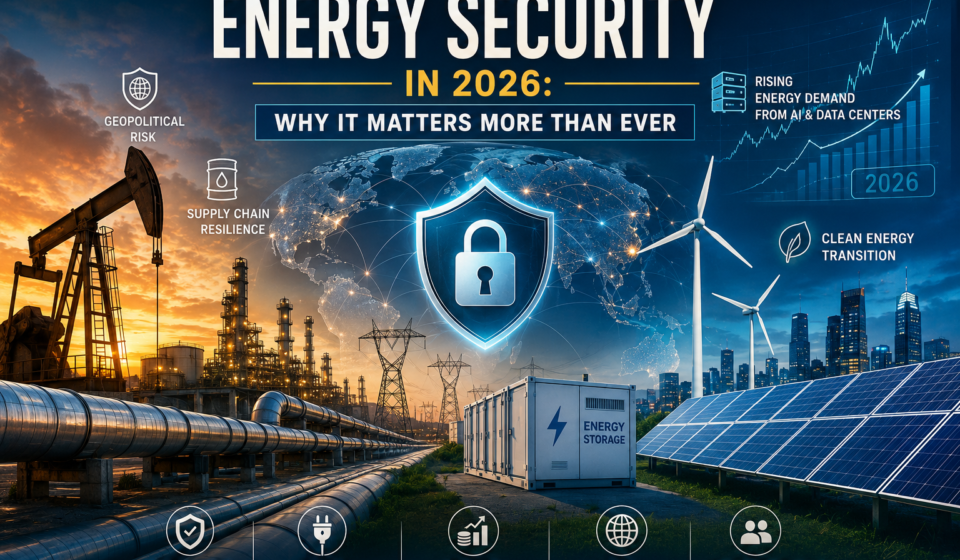
Energy Security in 2026: Why It Matters More Than Ever

Energy Security in 2026: Why It Matters More Than Ever – Energy security has become one of the most important issues shaping the global economy, politics, and investment landscape in 2026. Once considered a niche concern for energy ministers and utility companies, it is now a central topic for governments, businesses, and investors alike. Rising geopolitical tensions, growing electricity demand, climate-related disruptions, and the rapid expansion of artificial intelligence (AI) have transformed energy security into a strategic priority worldwide.
In a world increasingly dependent on reliable energy supplies, disruptions can trigger inflation, slow economic growth, destabilize financial markets, and even affect national security. As a result, understanding energy security is more important than ever.
What Is Energy Security?
Energy security refers to the ability of a country or region to maintain a stable, affordable, and reliable supply of energy. Traditionally, the concept focused on ensuring access to oil and natural gas. Today, however, it encompasses a much broader range of concerns, including electricity grids, renewable energy systems, critical minerals, cybersecurity, and supply chain resilience.
Modern economies depend on uninterrupted energy supplies for transportation, manufacturing, healthcare, communications, and digital infrastructure. Even short disruptions can have significant economic consequences.
In 2026, energy security is no longer simply about having enough fuel. It is about ensuring that energy systems remain resilient against geopolitical shocks, extreme weather events, cyberattacks, and rapidly changing patterns of demand.
The Return of Geopolitical Risk
One of the biggest reasons energy security has become a global priority is the resurgence of geopolitical conflict.
Recent disruptions involving major energy-producing regions have demonstrated how vulnerable global energy markets remain. Tensions affecting oil and gas flows through critical chokepoints such as the Strait of Hormuz have contributed to concerns about supply shortages and price volatility. The International Energy Agency (IEA) has emphasized that these disruptions expose structural vulnerabilities across many regions, particularly energy-importing economies.
Analysts have noted that renewed conflict in the Middle East significantly altered oil market expectations in 2026, transforming anticipated surpluses into projected deficits and causing substantial price fluctuations.
These developments illustrate a fundamental reality: energy remains deeply intertwined with geopolitics. Countries that depend heavily on imported fuel are increasingly seeking ways to diversify their energy sources and reduce exposure to international disruptions.
The AI Revolution Is Driving Energy Demand
Another major factor reshaping energy security is the rapid growth of artificial intelligence.
The global AI boom has created unprecedented demand for data centers, cloud infrastructure, and high-performance computing. These technologies require vast amounts of electricity, making energy availability a critical issue for economic competitiveness.
According to the IEA, electricity demand is expected to grow faster than overall economic activity through 2030. AI, advanced manufacturing, and widespread electrification are among the key drivers behind this trend.
Data centers are increasingly becoming major consumers of electricity. Industry analysts and researchers warn that AI-related infrastructure could place significant pressure on regional power grids if investments in generation and transmission fail to keep pace with demand growth.
As nations compete to become leaders in AI, ensuring sufficient electricity supply has become a strategic economic objective.
Electricity Is the New Energy Battleground
Historically, oil dominated discussions about energy security. In 2026, electricity has emerged as an equally important concern.
The global transition toward electric vehicles, digital infrastructure, and electrified industrial processes is increasing dependence on power grids. Electricity demand is reaching record highs in many countries, creating new challenges for grid reliability and resilience.
This shift means that energy security is no longer just about fuel supplies. It is also about transmission networks, energy storage systems, and grid modernization.
Countries with outdated infrastructure face increasing risks of blackouts, congestion, and reliability issues during periods of high demand. Investments in grid expansion and modernization are therefore becoming essential components of national energy strategies.
Renewable Energy and Security
Renewable energy plays a growing role in strengthening energy security.
Solar and wind power reduce dependence on imported fossil fuels and can diversify national energy portfolios. Many governments view renewable energy as both an environmental solution and a security strategy.
However, renewable energy introduces new challenges.
Because solar and wind generation depend on weather conditions, maintaining grid stability requires investments in energy storage, transmission infrastructure, and flexible backup generation. Furthermore, renewable technologies rely on critical minerals such as lithium, cobalt, nickel, and rare earth elements.
As demand for these materials rises, competition for mineral resources is becoming a new dimension of energy security. Countries are increasingly focused on securing supply chains for the materials needed to build clean energy technologies.
Climate Change Is Creating New Vulnerabilities
Extreme weather events are becoming an increasingly important factor in energy security planning.
Heatwaves, droughts, floods, and storms can disrupt energy production, damage infrastructure, and increase electricity demand. Climate-related events have already exposed weaknesses in power systems around the world.
For example, prolonged heatwaves can increase demand for air conditioning while simultaneously reducing the efficiency of power generation systems. Drought conditions can affect hydropower output, while storms can damage transmission lines and fuel infrastructure.
As climate risks intensify, resilience is becoming a critical component of energy security strategies. Governments and utilities are investing in infrastructure upgrades designed to withstand increasingly severe weather conditions.
Why Investors Are Paying Attention
Energy security is no longer just a policy issue—it is also an investment theme.
Supply disruptions can influence inflation, interest rates, commodity prices, and economic growth. Investors increasingly recognize that energy security developments can affect a wide range of sectors, from utilities and industrial companies to technology firms and financial markets.
Several investment trends are emerging:
- Expansion of renewable energy infrastructure
- Growth in battery storage projects
- Increased investment in electricity grids
- Rising demand for critical minerals
- Nuclear energy development
- Energy efficiency technologies
- AI-driven energy management systems
Companies that help improve energy resilience may benefit from long-term structural demand as governments and businesses seek to strengthen their energy systems.
At the same time, investors must remain aware of risks associated with geopolitical instability, regulatory changes, and commodity price volatility.
The Global Energy Access Challenge
Despite technological advances, energy security is also about ensuring access.
According to recent global assessments, approximately 655 million people still lack access to electricity, while billions continue to rely on polluting cooking fuels. These gaps highlight the ongoing challenge of delivering reliable and affordable energy to developing regions.
Energy security cannot be achieved if large portions of the global population remain disconnected from modern energy systems. Expanding access while maintaining affordability and sustainability remains one of the defining challenges of the decade.
Looking Ahead
The energy landscape of 2026 is dramatically different from that of a decade ago. Energy security is no longer solely about oil supplies or fuel reserves. It now encompasses electricity grids, AI-driven demand growth, renewable energy systems, critical mineral supply chains, climate resilience, and geopolitical stability.
As the world becomes more electrified and digitally connected, reliable energy supplies will become even more critical to economic growth and national security. Governments are adapting their policies, businesses are reevaluating their strategies, and investors are increasingly incorporating energy security into their long-term decision-making.
In 2026, energy security is not just an energy issue—it is an economic, political, technological, and strategic imperative. The countries and companies that successfully navigate this evolving landscape will be better positioned to thrive in an increasingly complex and interconnected world.