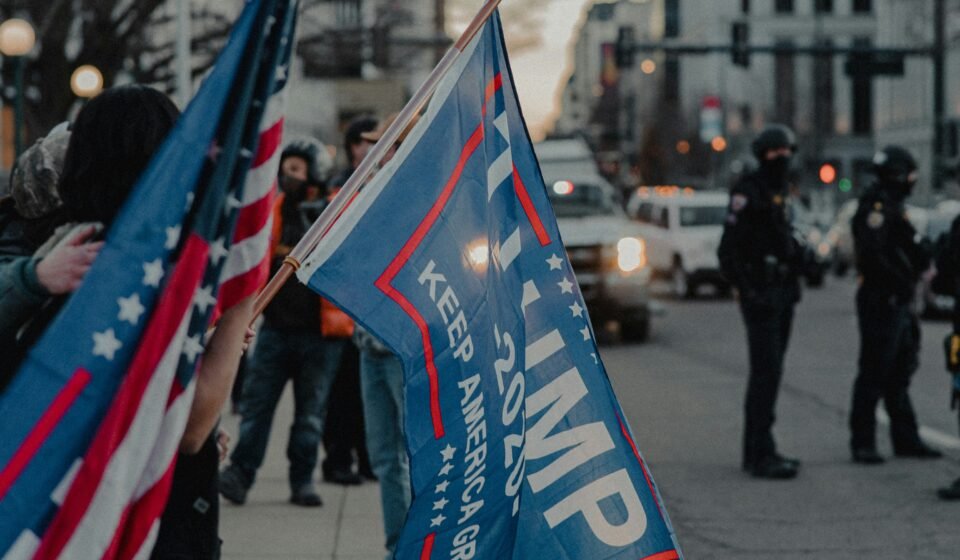

Why Political Polarization Continues to Divide America – Political polarization is a term used to describe the growing ideological divide between different political factions within a society, particularly evident in the United States. This concept encapsulates the increasing differences in beliefs, values, and policies that separate groups, often leading to a stark dichotomy where individuals align rigidly with their respective political affiliations. In recent decades, the trends of political polarization have intensified, resulting in not only distinct ideological divides but also emotional hostility between opposing factions.
Historically, the U.S. has experienced various phases of political polarization. The civil rights movement of the 1960s, for instance, showcased the deep ideological divides regarding race and equality. However, the last few decades have witnessed an acceleration in polarization, significantly influenced by social media, partisan news outlets, and increasingly tribal political identities. This evolution has solidified ideological divisions, as individuals gravitate toward information that reinforces their views while isolating themselves from diverse perspectives, contributing to a culture of us versus them.
Importantly, political polarization can be categorized into two distinct forms: ideological polarization and affective polarization. Ideological polarization pertains to the differences in beliefs and policy preferences across the political spectrum, where individuals or groups might favor distinct governance models, economic policies, or social strategies. In contrast, affective polarization refers to the emotional response that individuals associate with those who hold opposing political views. This form of polarization has proliferated, resulting in heightened animosity and distrust between parties, dramatically impacting political discourse and collaboration.
Understanding political polarization in the United States involves recognizing these various dimensions and acknowledging how they shape not only private opinions but also influence public policy and societal relationships. As the divide continues to deepen, it raises critical questions about the future of American democracy and cooperative governance.
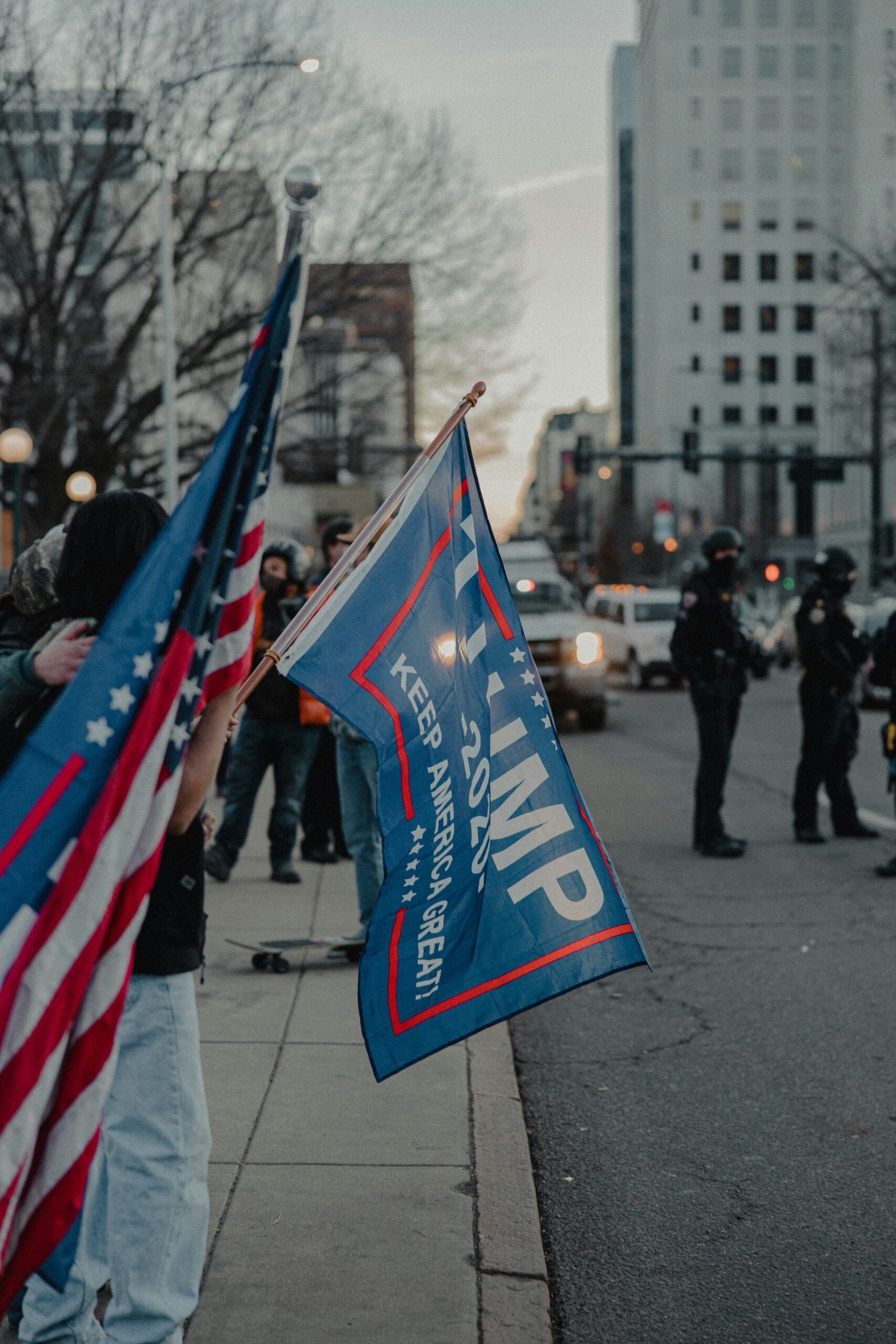
The Impact of Media and Technology
The intersection of media and technology plays a significant role in the ongoing political polarization in America. The advent of the internet and the rise of social media platforms have transformed how information is disseminated, fostering environments conducive to echo chambers where individuals primarily encounter viewpoints that align with their pre-existing beliefs. This phenomenon can largely be attributed to the algorithms employed by social media sites, which prioritize content that resonates with users’ interests, thereby reinforcing their ideologies.
Partisan news outlets further exacerbate this divide by presenting biased narratives that cater to specific political agendas. These channels not only shape the way news is consumed but also influence public opinion. Viewers often gravitate towards media sources that echo their sentiments, creating selective exposure that diminishes the opportunity for balanced discourse. As individuals become entrenched in their viewpoints, the likelihood of engaging with opposing perspectives significantly decreases, ultimately fueling further polarization.
Moreover, the widespread dissemination of misinformation has become a critical factor contributing to political division. With the ability to spread unverified claims rapidly across social platforms, false narratives can gain traction, leading to misconceptions and misunderstanding among the public. This environment of distrust fosters a climate where individuals are more likely to cling to radical ideologies, viewing dissenters as adversaries rather than fellow citizens with differing viewpoints.
In light of these dynamics, it is evident that the role of media and technology is pivotal to understanding the nuances of political polarization. By shaping perceptions and influencing the manner in which information is consumed, they contribute to a fragmented social landscape that hinders constructive dialogue and cooperation across political divides.
Polarization in Political Behavior and Identity
The landscape of American politics has been increasingly shaped by polarization, reflecting a significant transformation in the behavior of voters and political leaders. Over recent decades, voters have exhibited a pronounced rise in partisanship, which highlights a strong alignment with their respective political parties. This shift has not only influenced individual voting patterns but has also fostered a climate where party loyalty supersedes candidates’ policies and character. Voters are now more likely to support a candidate solely based on party affiliation rather than their stances on key issues, which underscores the entrenched divide within the electorate.
Moreover, the allegiance to political parties has intensified, creating environments where compromise and bipartisanship are increasingly rare. Political leaders often feel compelled to adhere to the demands and expectations of their party base, leading to echoes of divisive rhetoric and a reluctance to collaborate across the aisle. This polarization has consequences for the democratic process, resulting in legislation that reflects extreme positions rather than the moderate voices of the populace. Consequently, the effectiveness of governance is hampered, as partisan conflicts overshadow productive dialogue and collaborative policymaking.
Beyond the realm of politics, this polarization has embedded itself within personal identity, intertwining political beliefs with individual self-conception. Many Americans now derive a significant part of their social identity from their political orientation, which impacts their social interactions and community ties. This intertwining of political and personal identity has led to an increase in social segmentation, where individuals gravitate towards groups that reinforce their beliefs and values. Such divisions can cultivate an environment of distrust and animosity, further perpetuating the cycle of polarization. Ultimately, understanding the evolution of political behavior and identity is crucial to comprehending the ongoing divide that characterizes modern American society.
Consequences of Political Polarization
The phenomenon of political polarization in America has far-reaching consequences that extend beyond mere partisan affiliations. It significantly impacts governance, as the increasing divide between political parties often leads to gridlock in legislative bodies. When elected officials are unable to reach a consensus, critical policies regarding healthcare, climate change, and economic reform face stagnation. This inability to compromise not only hampers effective governance but can also result in policy outcomes that do not adequately address the needs of the populace.
Moreover, political polarization adversely affects public discourse, fostering an environment characterized by hostility and mistrust. Individuals tend to engage with information that reinforces their pre-existing views, creating echo chambers that further entrench biases. This phenomenon complicates communication between citizens with differing opinions, making constructive dialogue and understanding increasingly rare. As a result, political discussions often devolve into polarizing arguments rather than collaborative exchanges of ideas, thereby diminishing the potential for democratic engagement.
The implications of this division also extend to social cohesion. Communities are increasingly characterized by a ‘us versus them’ mentality, leading to isolation and disconnection among individuals with differing political beliefs. Such divisions can disrupt social networks, weaken community ties, and diminish the overall sense of collective identity. Over time, this trend may result in long-lasting rifts that impede societal well-being.
Looking ahead, the ramifications of political polarization pose significant challenges for future elections and policymaking. As partisanship intensifies, the election process may produce candidates less inclined to seek bipartisan solutions. Consequently, the overall health of democracy in the United States hinges on the recognition of these consequences. A critical need arises for strategies that promote understanding and bridge existing divides, fostering an environment conducive to productive dialogue and effective governance.