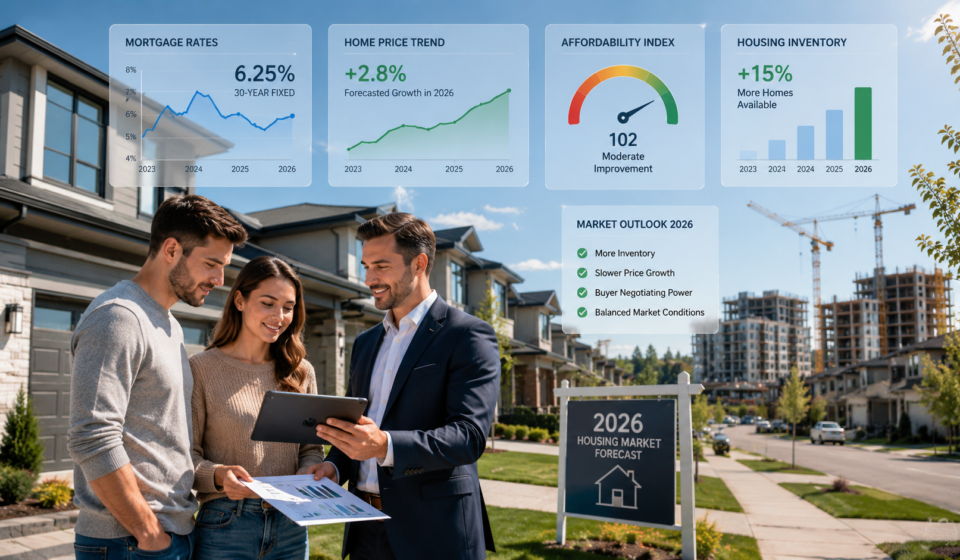

Housing Market Forecast What Buyers Should Expect in 2026 – The housing market continues to be one of the most important sectors of the global economy, influencing consumer wealth, construction activity, financial markets, and overall economic growth. In 2026, homebuyers face a market that is undergoing significant changes after several years of volatility driven by inflation, interest rate hikes, supply shortages, and shifting economic conditions.
For many prospective buyers, affordability remains a major concern. High mortgage rates, elevated home prices, and rising living costs have made homeownership more challenging in many regions. At the same time, growing housing inventory, moderating price growth, and improving market balance are creating new opportunities for buyers who have been waiting on the sidelines.
The Housing Market Forecast for 2026 suggests that the market is moving toward a more sustainable environment. While conditions vary across countries and cities, the overall outlook points to slower price appreciation, improved supply, and a more balanced relationship between buyers and sellers.
Understanding the key trends shaping the housing market can help buyers make informed decisions and better prepare for future opportunities.
The Housing Market Is Transitioning Toward Stability
Over the past several years, housing markets around the world have experienced extraordinary conditions.
Historically low interest rates during the pandemic fueled strong demand, while limited housing supply pushed prices sharply higher. Many buyers faced intense competition, bidding wars, and rapidly rising home values.
As central banks raised interest rates to combat inflation, housing activity slowed significantly. Higher borrowing costs reduced affordability and cooled demand in many markets.
The Housing Market Forecast for 2026 indicates that housing markets are gradually transitioning toward greater stability.
Several trends support this shift:
- Slower home price growth
- Increasing housing inventory
- More balanced supply and demand
- Improved buyer negotiating power
- Reduced speculative activity
Rather than experiencing dramatic price declines, many markets are expected to undergo a period of normalization.
Mortgage Rates Remain a Key Factor
Mortgage rates continue to be one of the most important influences on housing demand.
Although inflation has eased compared with peak levels seen in previous years, interest rates remain relatively high in many countries.
Higher mortgage rates affect buyers in several ways:
- Reduced purchasing power
- Higher monthly payments
- Lower affordability
- More cautious borrowing decisions
Even modest changes in mortgage rates can significantly impact the cost of homeownership.
For example, a one-percentage-point increase in mortgage rates can add hundreds of dollars to monthly payments for many borrowers.
The Housing Market Forecast suggests that buyers should continue monitoring interest rate trends closely because borrowing costs will remain a major factor influencing housing activity throughout 2026.
Affordability Challenges Continue
Housing affordability remains one of the biggest concerns for buyers.
In many markets, home prices increased substantially during the past decade, while wage growth often struggled to keep pace.
As a result, many households face challenges such as:
- Large down payment requirements
- High monthly mortgage payments
- Rising property taxes
- Increasing insurance costs
- Higher maintenance expenses
Young adults and first-time buyers are particularly affected by affordability pressures.
Although slower price growth may provide some relief, affordability is expected to remain a key issue throughout 2026.
The Housing Market Forecast indicates that affordability improvements are likely to occur gradually rather than rapidly.
Housing Inventory Is Improving
One of the most positive developments for buyers is the gradual increase in housing inventory.
During the housing boom, supply shortages contributed significantly to rising prices and competitive bidding environments.
Today, many markets are seeing:
- More homes listed for sale
- Longer listing periods
- Reduced competition
- Greater buyer choice
Increased inventory helps create a healthier market by providing buyers with more options and reducing pressure on prices.
For prospective homeowners, this means there may be more opportunities to compare properties, negotiate terms, and make decisions without feeling rushed.
The improving supply situation is a major component of the current Housing Market Forecast.
Home Price Growth Is Slowing
Another significant trend is the moderation of home price growth.
While home values continue to rise in many regions, the pace of appreciation has slowed considerably compared with the rapid increases experienced during the pandemic years.
Several factors are contributing to slower price growth:
- Higher mortgage rates
- Reduced demand
- Greater inventory
- Economic uncertainty
- Affordability constraints
In some markets, prices may remain flat or experience modest declines.
However, most analysts do not expect widespread housing crashes because supply remains relatively limited compared with long-term demand.
The Housing Market Forecast suggests that buyers may encounter a more balanced pricing environment than they have seen in recent years.
Regional Differences Matter
Housing markets are highly localized.
While national trends provide useful insights, conditions can vary dramatically between cities, regions, and countries.
Factors influencing local housing markets include:
- Population growth
- Employment opportunities
- Infrastructure development
- Migration patterns
- Housing supply
- Local economic conditions
Some regions may continue experiencing strong price growth due to limited inventory and high demand, while others may see softer conditions.
Buyers should focus on local market fundamentals rather than relying solely on national forecasts.
Understanding regional differences is essential when evaluating housing opportunities.
First-Time Homebuyers Face Unique Challenges
First-time buyers often face the greatest obstacles in the housing market.
Common challenges include:
- Saving for a down payment
- Meeting lending requirements
- Managing higher interest rates
- Competing with experienced buyers
At the same time, first-time buyers may benefit from:
- Government assistance programs
- Lower competition compared with previous years
- Increased inventory
- Greater negotiating opportunities
The Housing Market Forecast suggests that market conditions may gradually become more favorable for first-time buyers, although affordability concerns remain significant.
Careful financial planning and realistic expectations are crucial for success.
The Role of New Construction
New housing construction plays an important role in balancing supply and demand.
Many countries continue experiencing housing shortages due to years of underbuilding.
Developers are responding by increasing construction activity in various markets.
New housing offers several benefits:
- Expanded inventory
- Modern amenities
- Improved energy efficiency
- Reduced maintenance needs
However, builders also face challenges such as:
- Labor shortages
- Rising material costs
- Regulatory hurdles
- Financing constraints
The pace of new construction will influence future housing affordability and availability.
Strong construction activity can help moderate price growth and improve market conditions for buyers.
Economic Conditions Influence Housing Demand
The broader economy has a significant impact on housing markets.
Key economic factors include:
- Employment growth
- Wage increases
- Consumer confidence
- Inflation
- Interest rates
When economic conditions are strong, households are generally more willing to make large financial commitments such as purchasing a home.
Conversely, economic uncertainty can reduce housing demand.
The Housing Market Forecast for 2026 reflects concerns about slower economic growth in some regions, but overall labor market conditions remain relatively supportive of housing activity.
Employment stability remains one of the most important factors supporting demand.
Technology Is Changing Home Buying
Technology continues transforming the real estate industry.
Modern buyers increasingly use digital tools throughout the home-buying process.
These technologies include:
- Virtual property tours
- AI-powered property searches
- Online mortgage applications
- Digital document management
- Automated valuation tools
Technology helps buyers:
- Compare properties more efficiently
- Access market information
- Streamline transactions
- Reduce paperwork
As digital platforms continue evolving, the home-buying process is becoming more transparent and accessible.
Technology is expected to play an increasingly important role in the future housing market.
Investment Demand Remains Important
Real estate continues attracting investors seeking income and long-term appreciation.
Investment demand can influence housing availability and pricing in many markets.
Investors may purchase properties for:
- Rental income
- Portfolio diversification
- Capital appreciation
- Inflation protection
Higher interest rates have reduced some speculative activity, but real estate remains an attractive asset class for many investors.
The interaction between owner-occupants and investors will continue influencing housing market dynamics throughout 2026.
Rental Markets Affect Buyer Decisions
Rental market conditions often influence home-buying behavior.
In many cities, rising rents encourage households to consider homeownership despite affordability challenges.
Factors affecting rental markets include:
- Population growth
- Housing shortages
- Employment opportunities
- Migration trends
When rental costs rise significantly, purchasing a home may become relatively more attractive despite higher mortgage rates.
Many buyers compare the long-term costs of renting versus owning when making housing decisions.
The relationship between rental and housing markets remains an important element of the Housing Market Forecast.
Sustainability and Energy Efficiency
Sustainability is becoming increasingly important for homebuyers.
Many consumers now prioritize:
- Energy-efficient appliances
- Solar panels
- Smart home technology
- Sustainable building materials
- Lower utility costs
Energy-efficient homes often offer long-term savings and may command stronger demand.
Governments and developers are increasingly emphasizing environmentally responsible housing solutions.
As energy costs remain a concern, sustainability features are likely to become more valuable in residential real estate markets.
What Buyers Should Watch in 2026
Prospective homebuyers should monitor several key indicators throughout the year.
Important factors include:
- Mortgage rate movements
- Home inventory levels
- Local price trends
- Employment conditions
- Inflation data
- New construction activity
- Consumer confidence
Tracking these indicators can help buyers identify favorable opportunities and make more informed decisions.
Market conditions may change throughout the year, making flexibility an important advantage.
Strategies for Homebuyers
The current Housing Market Forecast suggests several practical strategies for buyers.
Focus on Affordability
Buyers should carefully evaluate budgets and avoid stretching finances excessively.
Improve Credit Scores
Strong credit profiles can help secure better mortgage terms.
Compare Multiple Lenders
Shopping around may result in lower borrowing costs.
Research Local Markets
Local conditions often matter more than national headlines.
Be Patient
Increasing inventory may create better opportunities over time.
Consider Long-Term Goals
Housing decisions should align with broader financial objectives.
A disciplined approach can help buyers navigate market uncertainty successfully.
Long-Term Housing Market Outlook
Despite near-term challenges, the long-term outlook for housing remains positive.
Several factors support future demand:
- Population growth
- Household formation
- Urbanization
- Rising incomes
- Limited housing supply in many regions
While market cycles will continue, housing remains a fundamental component of economic activity and household wealth.
The Housing Market Forecast suggests that the market is transitioning from the extreme conditions of recent years toward a more balanced and sustainable environment.
This shift may ultimately benefit both buyers and sellers by creating healthier market dynamics.
Conclusion
The Housing Market Forecast for 2026 points to a period of gradual normalization after years of extraordinary volatility. Mortgage rates remain elevated, affordability challenges persist, and economic uncertainty continues to influence buyer behavior. However, improving inventory, slower price growth, and greater negotiating power are creating opportunities that have been largely absent in recent years.
For buyers, success will depend on careful financial planning, thorough market research, and patience. While housing affordability remains a challenge in many regions, the overall market environment is becoming more balanced and predictable.
As the housing sector continues adapting to changing economic conditions, buyers who remain informed and flexible will be best positioned to take advantage of opportunities in the evolving real estate landscape.